Aquatic plants
Did you know...
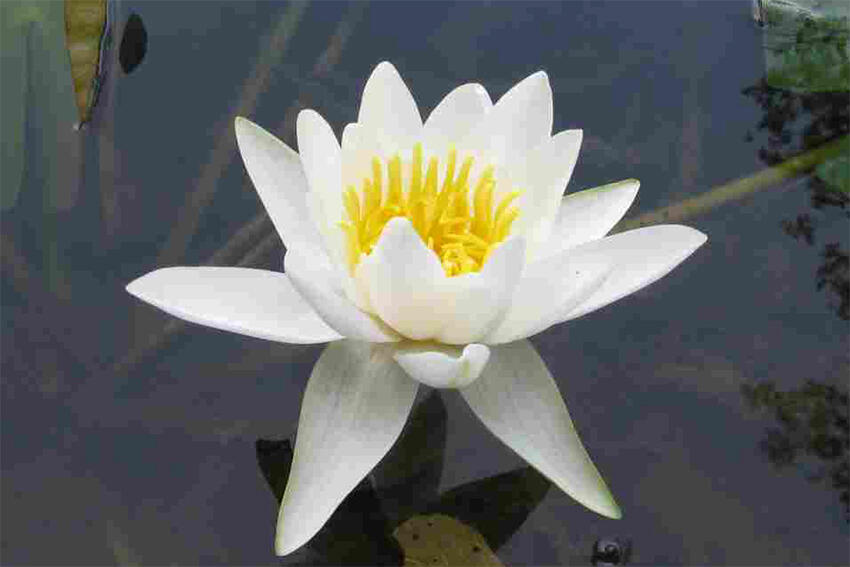
In the First World War, white water-lily was used as a source of anaesthetic nymphaeine.
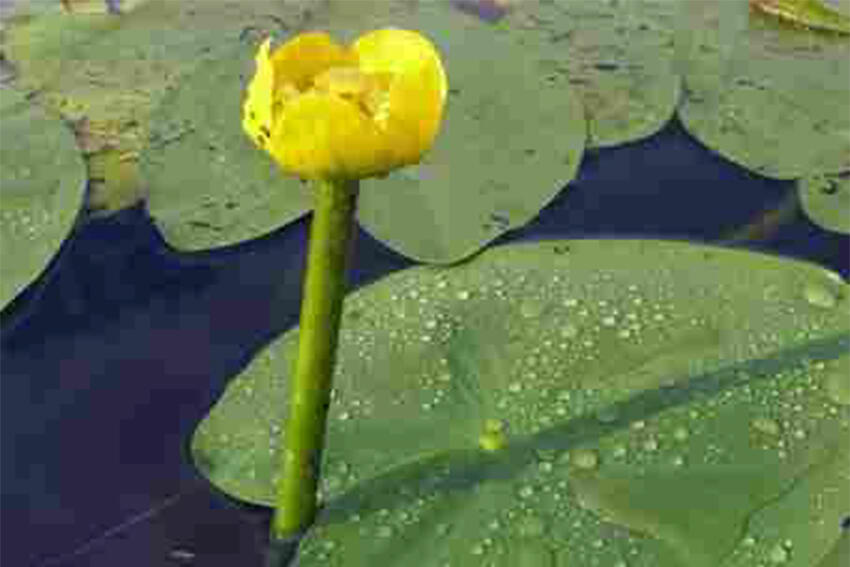
White water-lily and yellow water-lily are poisonous in their raw state. The poison is removed by cooking, and the rhizome can be used because of its healing properties. The flour obtained by drying and grinding of the rhizome can be used in preparing pasta and bread.
Rhizome from the yellow water-lily was used for medicinal purposes in various cultures, as a compress for swellings or as an aphrodisiac.
Fried seeds of yellow water-lily are edible and can serve as a substitute for coffee.
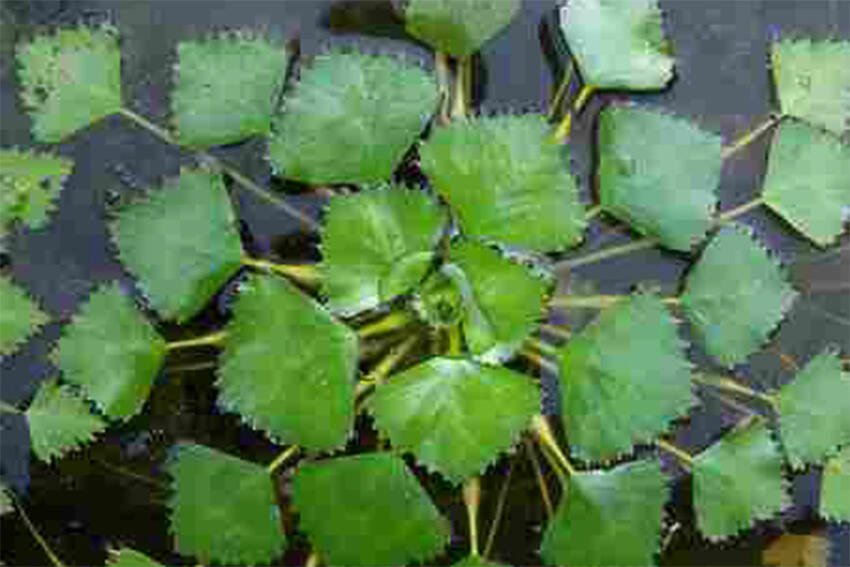
Water chestnut was named after its long, light-brown fruit, which is up to 4 cm in size. The fruit has a very unusual shape with 4 barbed extensions that look like horns, as in some parts of Croatia it is also called the 'devil pod'. The fruit is rich with starch and has healing properties. This plant is gradually disappearing in some parts of Europe because its fruits are used as food. The seeds have a sweetish taste similar to chestnut or walnut.
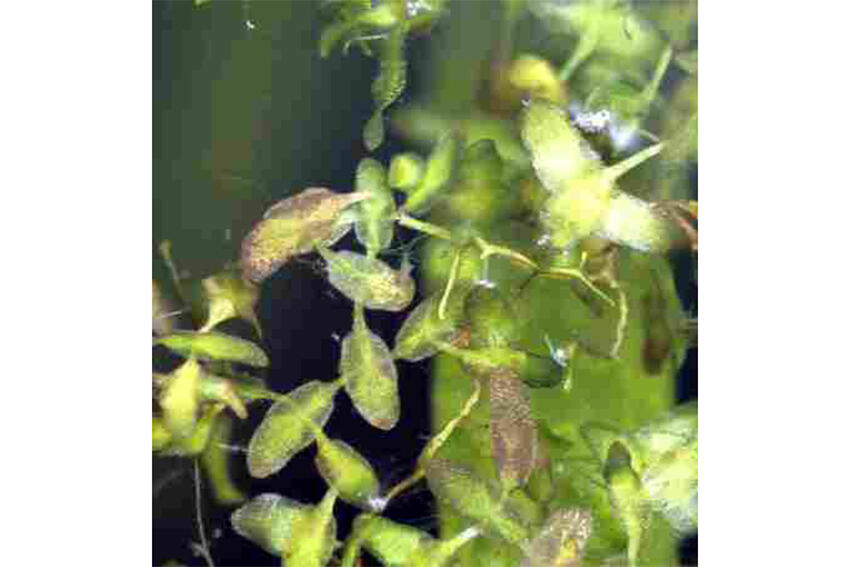
Common duckweed is one of the smallest flowering plants with its flower, no bigger than 1 millimetre.
AQUATIC PLANTS
More than 400 million years ago the first plants settled on land. Although the ancestors of land plants used to inhabit water habitats, a small number of species stayed in the water and today they constitute a community of aquatic plants. The variety in the way of life of certain aquatic plants has had an influence on their adaptations to life in the water. Some plants spend their entire life cycle completely submerged in water, whereas others are only partly in water, while their leaves and flowers float on the water surface or emerge above the waterline.
The plants that grow in Trakošćan Lake are of great significance for the organisms that live in the lake. Aquatic plants provide habitat and shelter for fish and other water organisms, and are a source of food for invertebrates, fish and birds. They limit the development of phytoplankton, stabilize the edges and bottom sediment, and they are important for recycling nutrients and enriching the water with oxygen.
As the water is becoming increasingly polluted, water habitats are being dried out, the lake is stocked with fish species that eat the plants, and the lake is becomes naturally neglected and overgrown. For all these reasons, aquatic plants are more and more endangered, so the only way to preserve them is to efficiently protect water habitats.
White water-lily
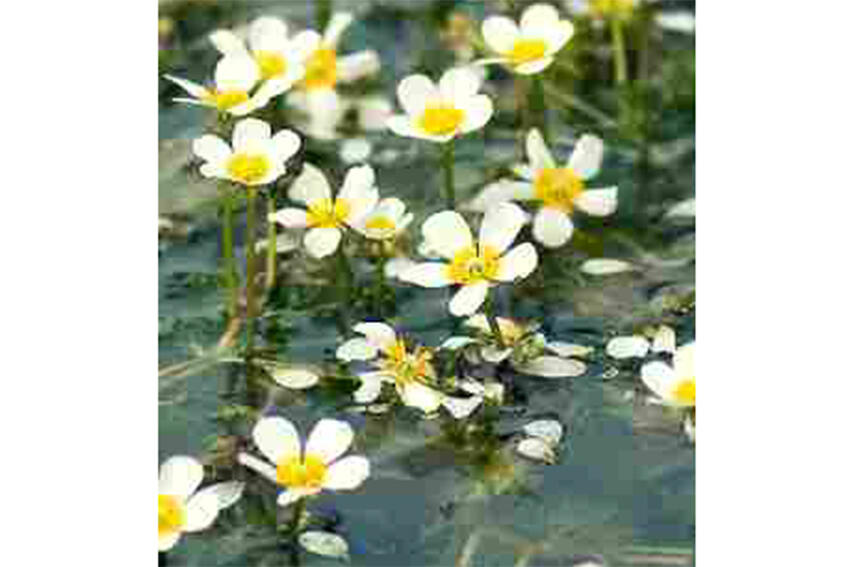
White water-lily and yellow water-lily are herbaceous plants that are attached to the silty bottom with their rhizome from which the roots emerge. Long, thick stalks grow from the rhizome, and carry the leaves on their top, while the stems carry the flowers. The leaves are large, leather-like, heart-shaped and glossy which float on the water surface due to their structure, built of many hollow spaces filled with air. During the summer months, white and yellow flowers emerge from the water, and the flowers' scent attracts the insects which pollinate them.
Whorled, Brittle Waternymph and Curled Pondweed
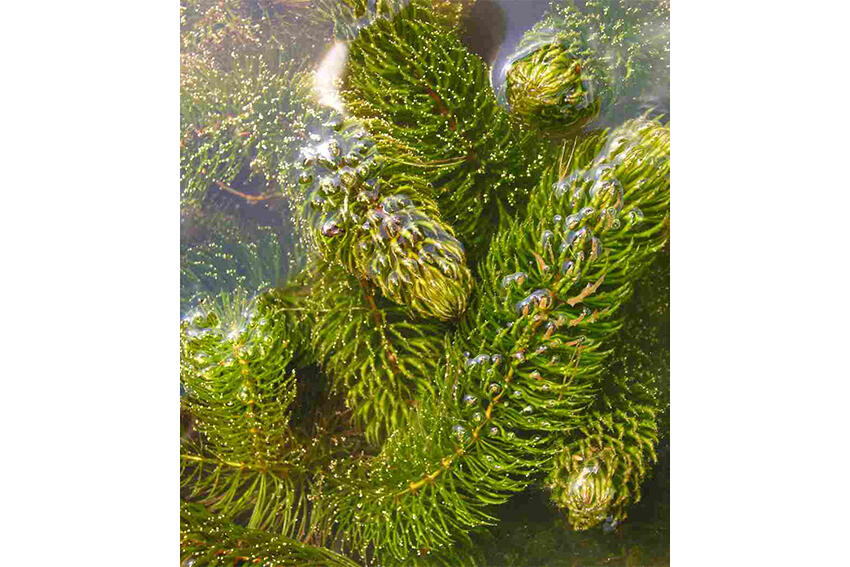
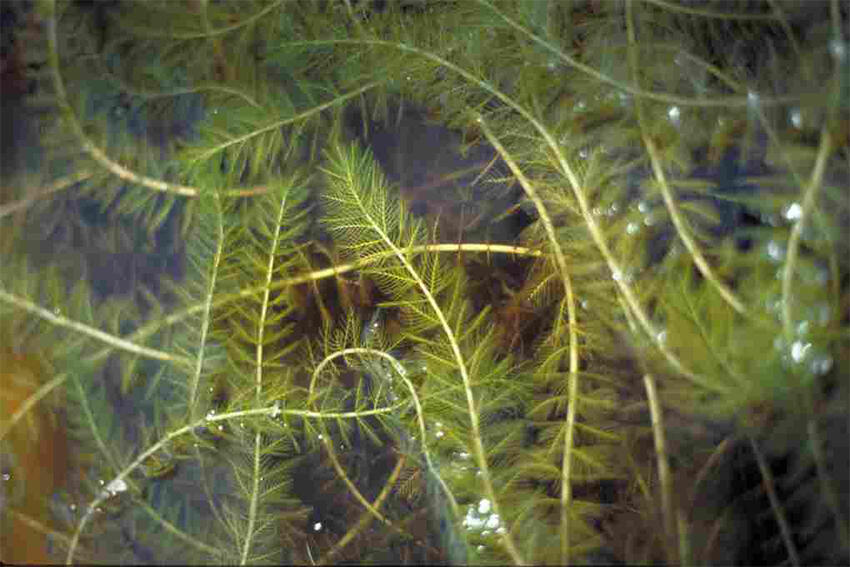
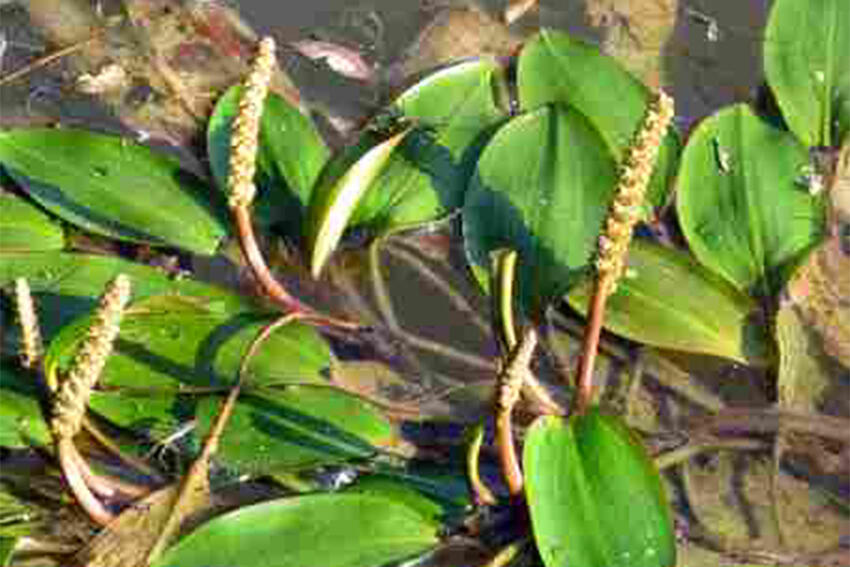
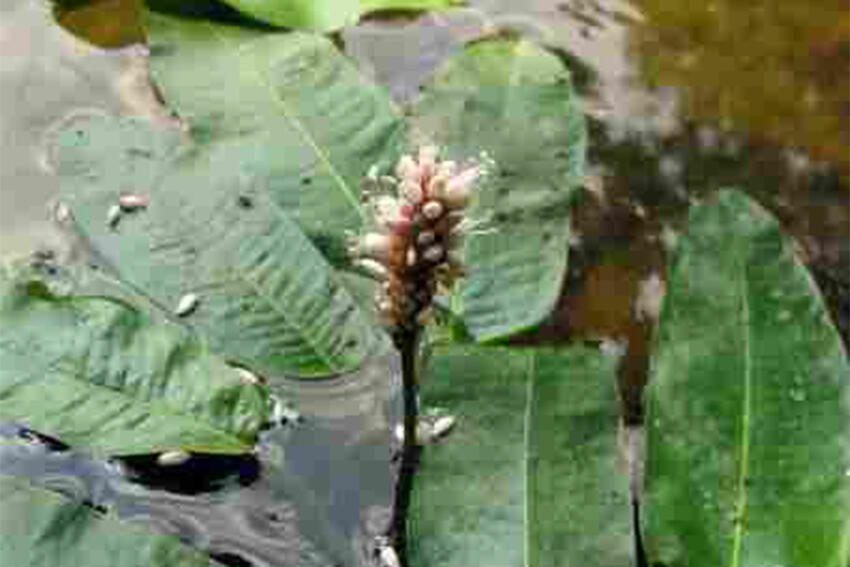
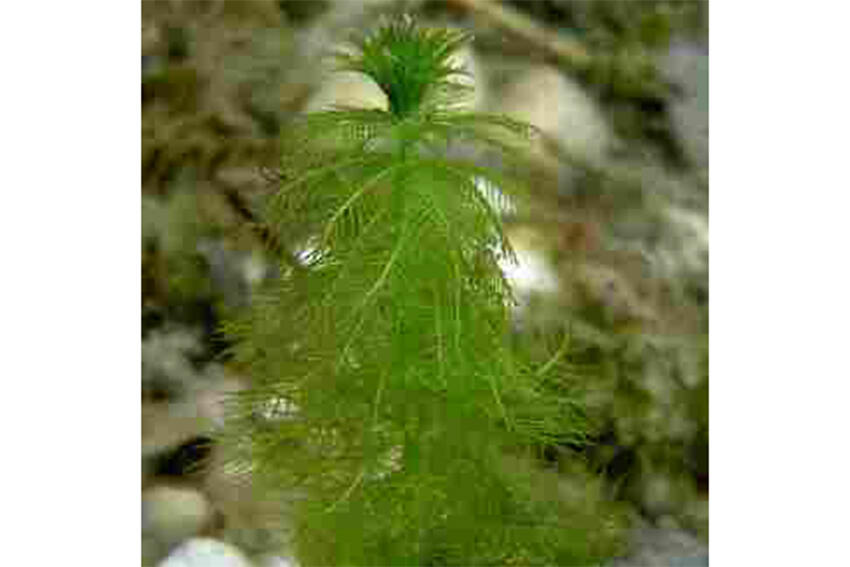
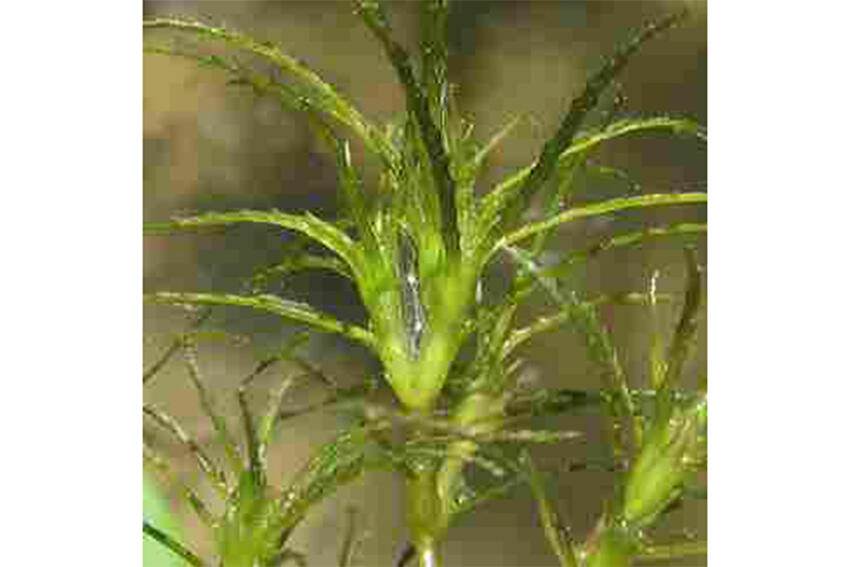
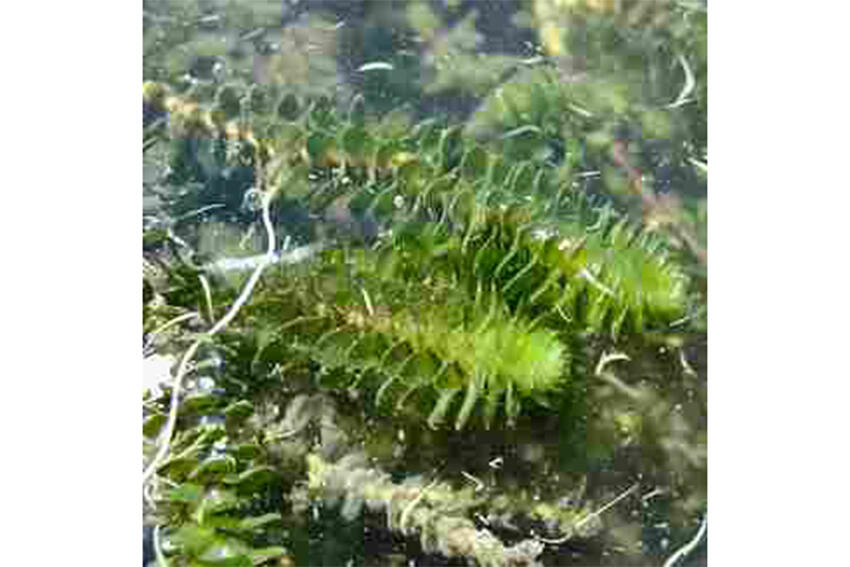
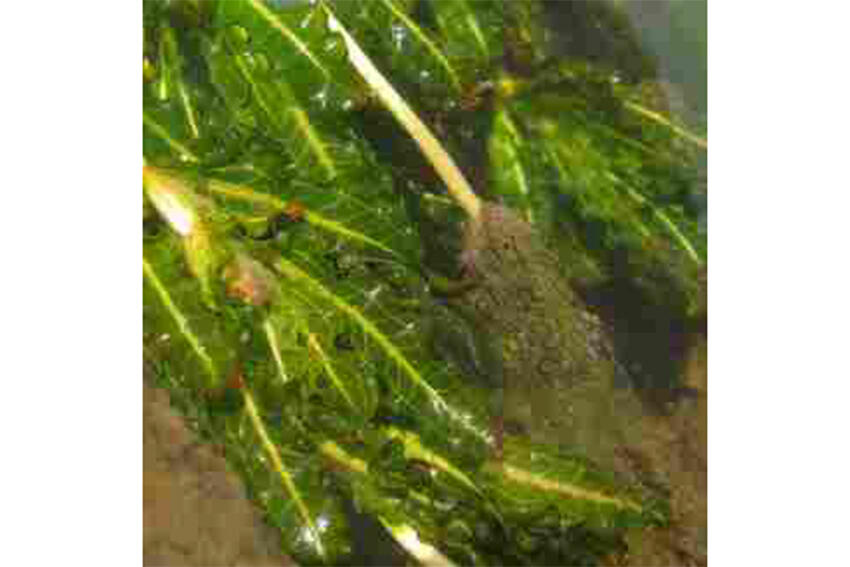
You will find it a challenge to spot the plants such as spiked water-milfoil, brittle waternymph and curled pondweed. They are hidden beneath the surface, their roots are attached to the bottom, and the leaves are permanently submerged in water. In order to enhance the surface to absorb nutrients and gases, and therefore decrease the influence of poor illumination on the photosynthesis process, their leaves are thin and thread-like. Almost all aquatic plants have storerooms filled with air which enable the leaves and stem to keep their position in the water or to keep the flowering above the waterline. Towards the end of August, flowers of many aquatic plants emerge above the lake surface, revealing their presence and diversity, whereas in some cases the plant's whole life cycle happens in the water.
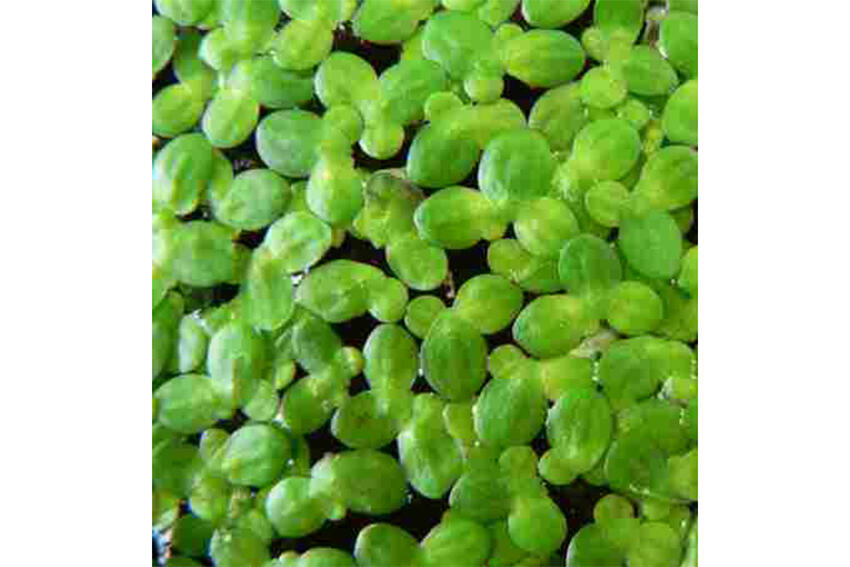
In the places where water is too deep to root, we find communities of floating plants. Many floating plants lack the roots due to their specific way of life; the same is relevant to the rigid hornwort. Common duckweed and ivy-leaved duckweed are small plants whose structure differs from other aquatic plants, their body is reduced and it is not separated into the stem and leaves. Common duckweed grows rapidly by vegetative reproduction, and in a short time it can cover a large surface of a lake or fish pond and make it completely green.