Wetland plants
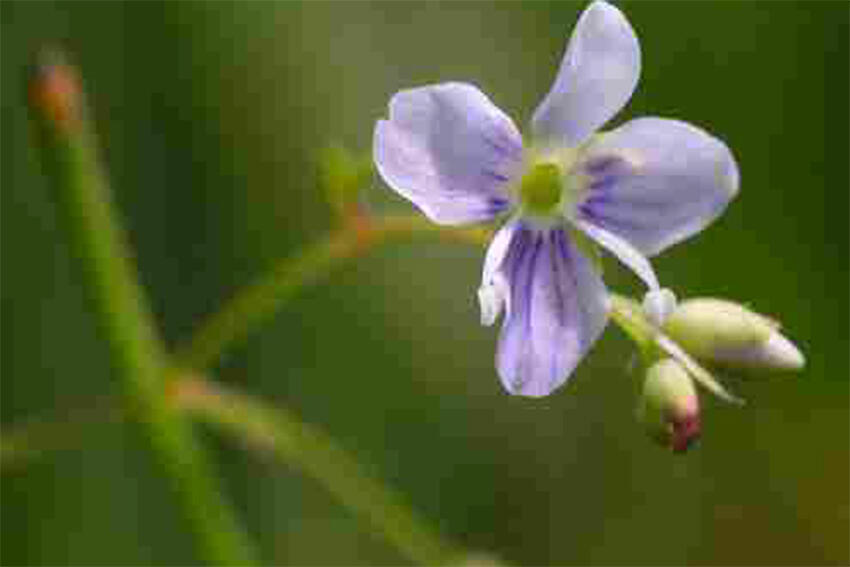
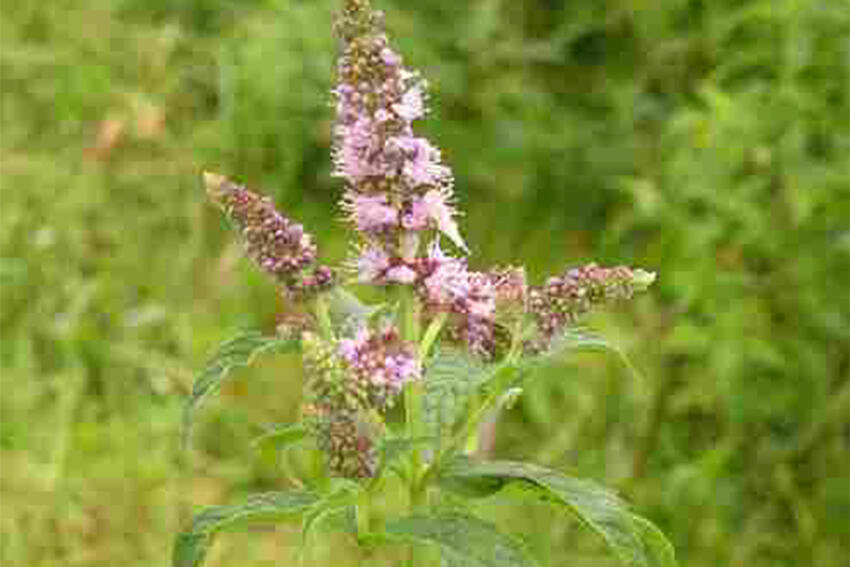
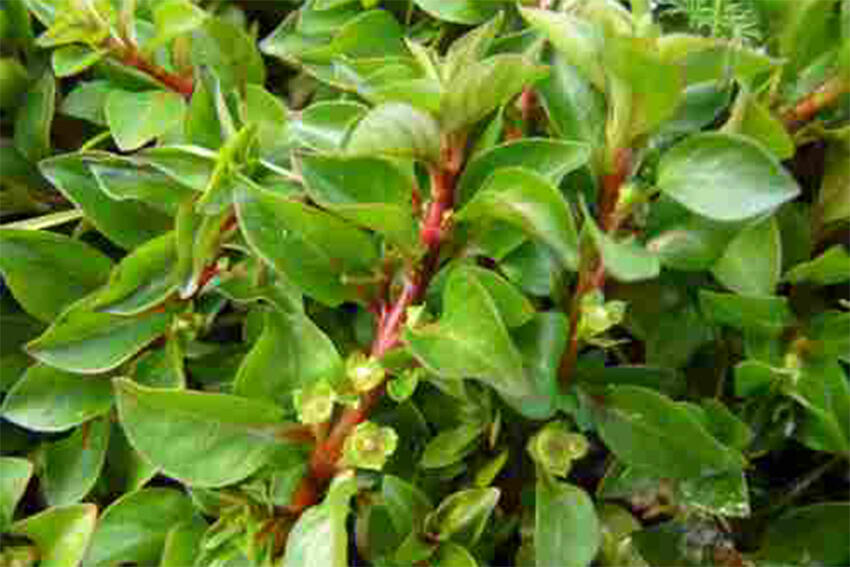
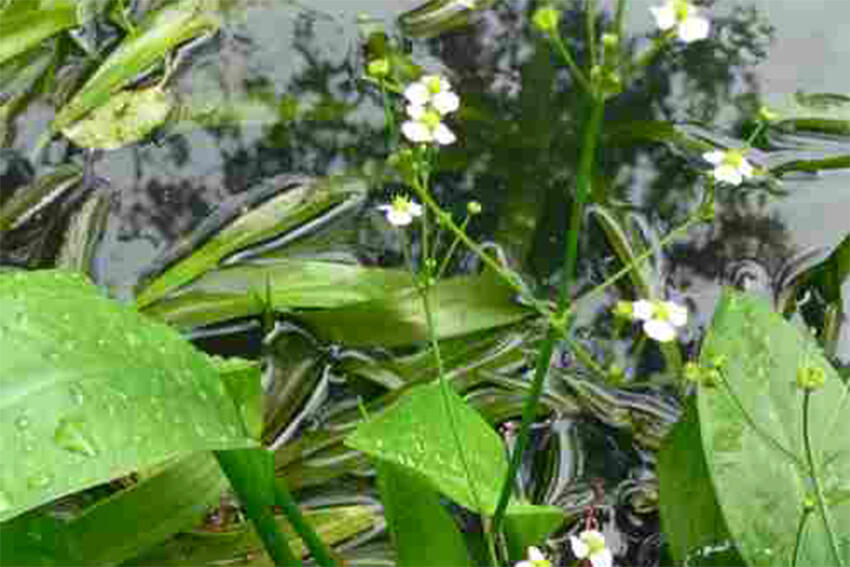

Did you know:
Long leaves of some plants that grow near the water have a lot of limestone in their cells. That is why they are firm and sharp, so they cannot be torn by the wind or animals that hide here.
The plants that grow near the water have long and hollow stems. They consist of air canals so the stems are mostly filled with air. Thanks to this, it is not easy to break the stem. Otherwise the wind could easily break it (because of its length).
SWAMP PLANTS
Swamp habitats act as a transfer between the areas that are permanently covered with water and the dry, terrestrial areas. Water availability and a great amount of nutrients provide ideal conditions for the survival of many plant species, and this area is also a shelter for numerous animals. Many marsh birds hide in the thickets of reed, cattail and sedge. Some of the birds build their nests in such places, whereas others come to feed. In deeper water, reedbeds provide protection even for tiny fish.
Swamp plants inhabit the coasts of the lake. They are rooted to the bottom which is covered with water, while the larger part of the plant stands above the waterline. Swamp plants use carbon dioxide from the water for the photosynthesis process, and in doing so, they enrich the water with oxygen, decrease the water acidity, and also possess a huge capacity for absorbing chemical substances and filtering the particles which pollute the water and sediment. Leaves and roots of the plants are natural filters which eliminate poisonous chemical substances from industrial waste waters, and they eliminate pesticides and heavy metals from the water.
Swamp plants absorb phosphates and nitrates and therefore prevent an uncontrolled growth of cyanobacteria and algae. Fast growth of algae and cyanobacteria decreases the amount of dissolved oxygen in water and has a negative influence on the quality of water and life in the lake.
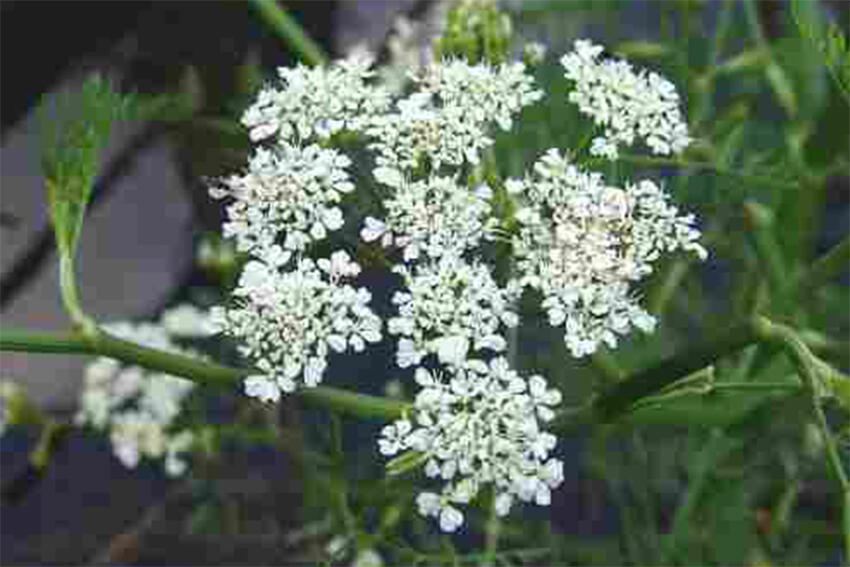
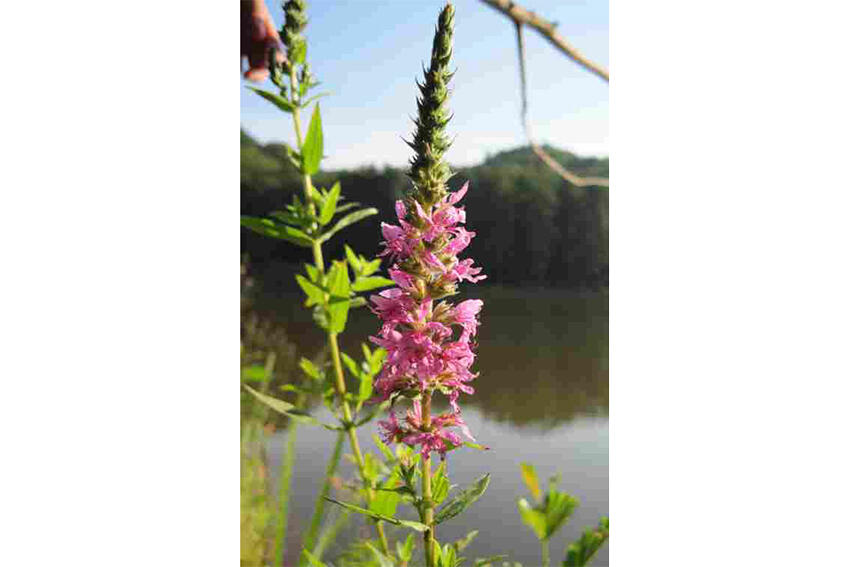
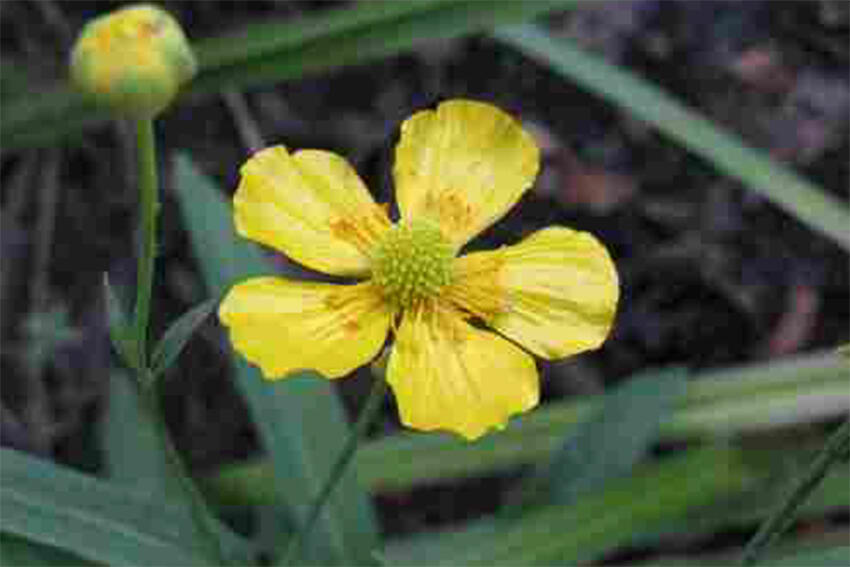
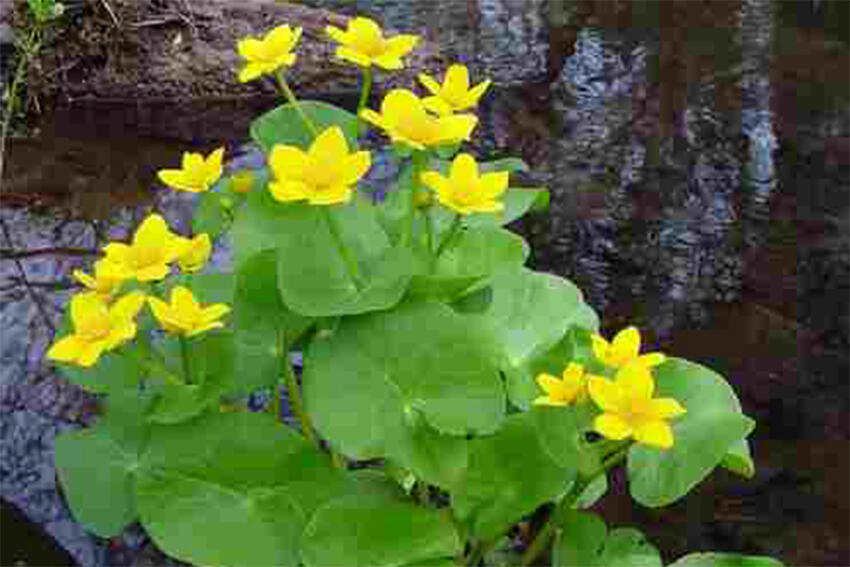
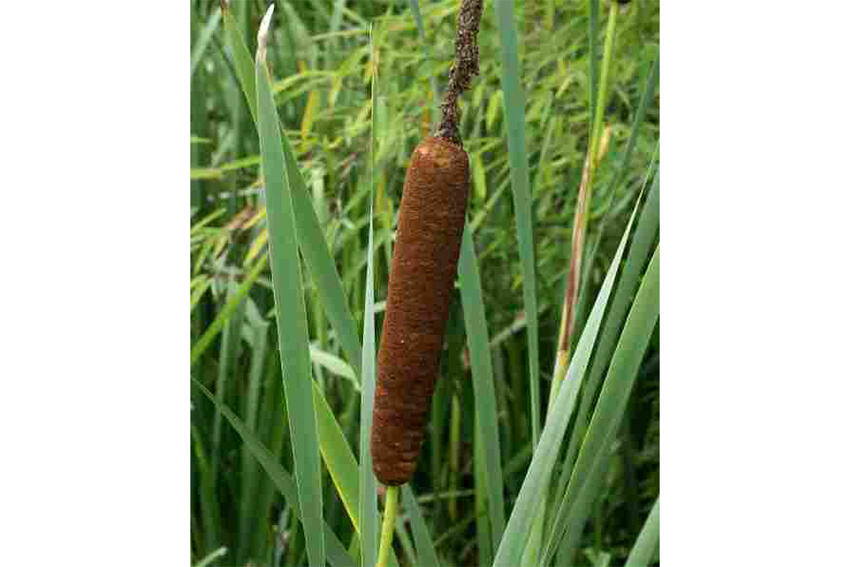
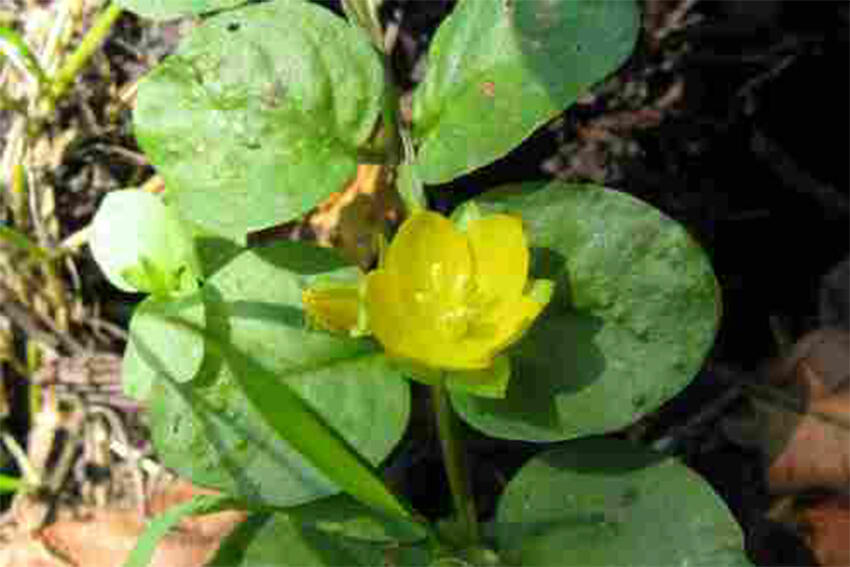
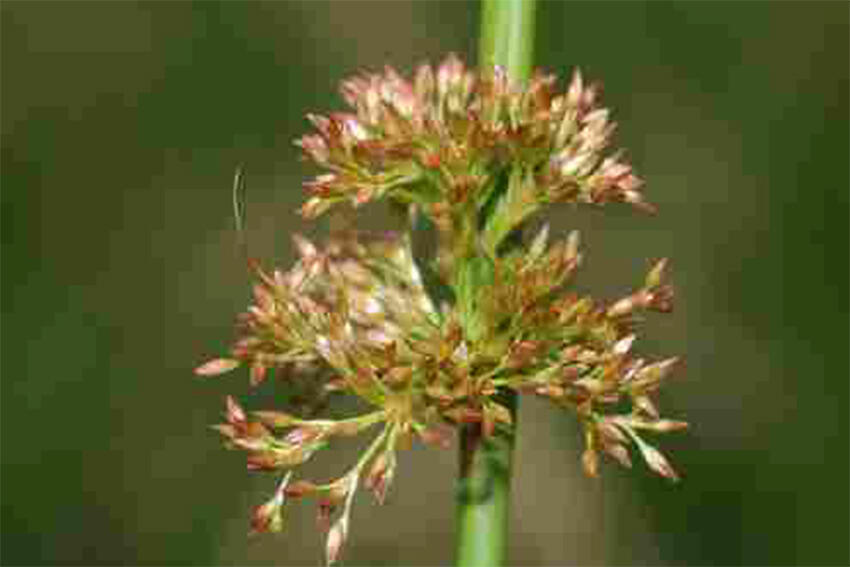
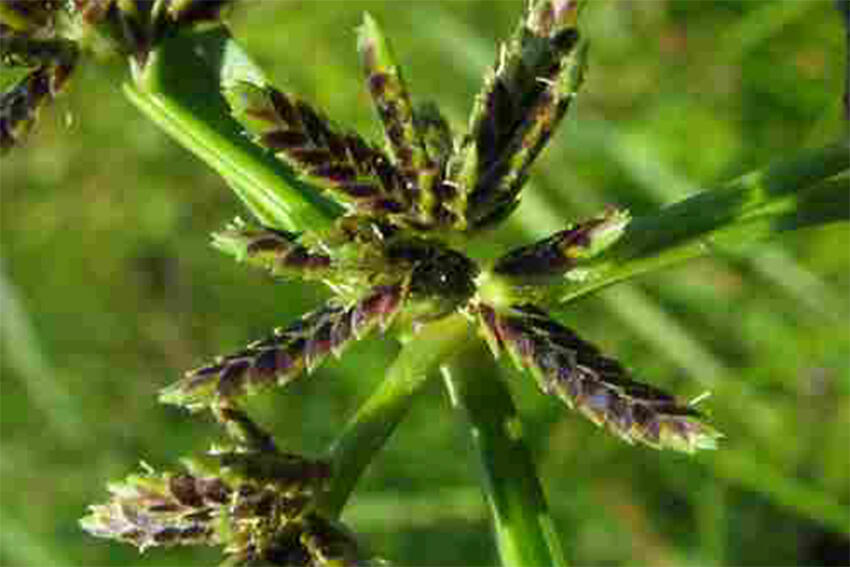
The most wide-spread community on Lake Trakošćan is the community of reedbeds (Scirpo-Phragmitetum) in the north-west part of the Lake. When we talk about flora, there are species such as sedge, great spearwort, broadleaf cattail, common reed, soft rush, as well as many others.
Swamp habitats are biodiversity oases which have to be protected and preserved. Due to the drainage and pollution of wet habitats throughout the world, many swamp plants have become rare and endangered.
COMMON REED
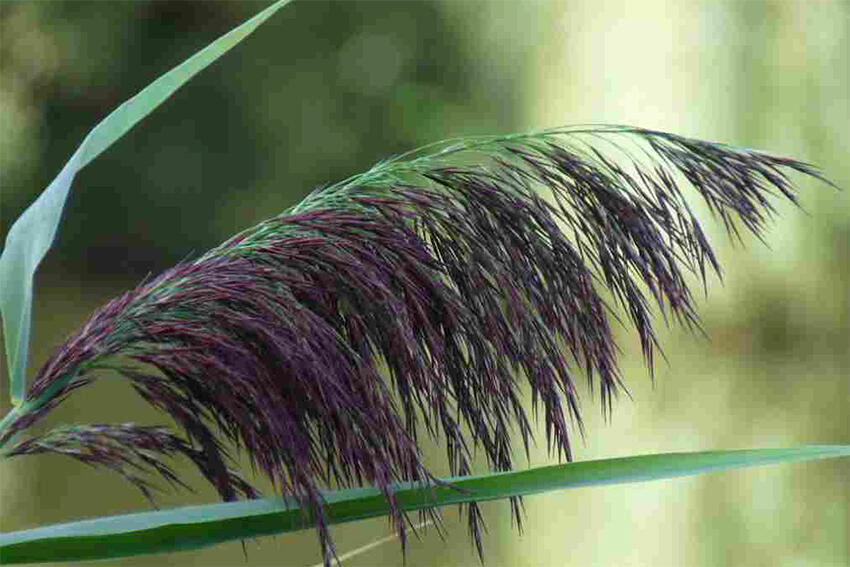
This plant can grow to be 5 metres tall and grows by shallow waters. A tall and hollow stalk grows from the roots above the surface every year, and has sharp, long and flat leaves. The 20-25 cm long flower is positioned on top of the stalk, in the form of a thick ring of brown and red hairs, which blossoms from July to September.
In traditional home construction in the Hrvatsko Zagorje region, reed was used as an insulation material: dry reed stems were used as coating for ceilings and walls of houses.