Mixed forests
Did you know...
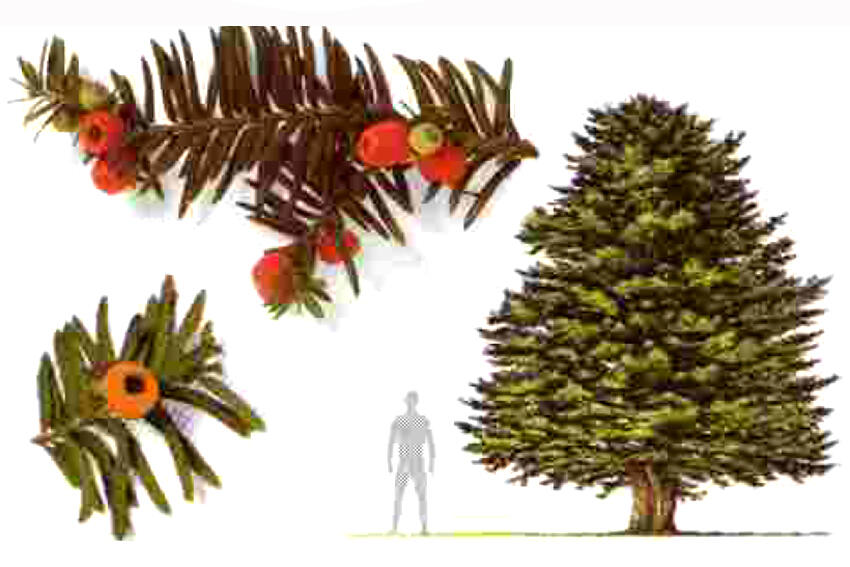
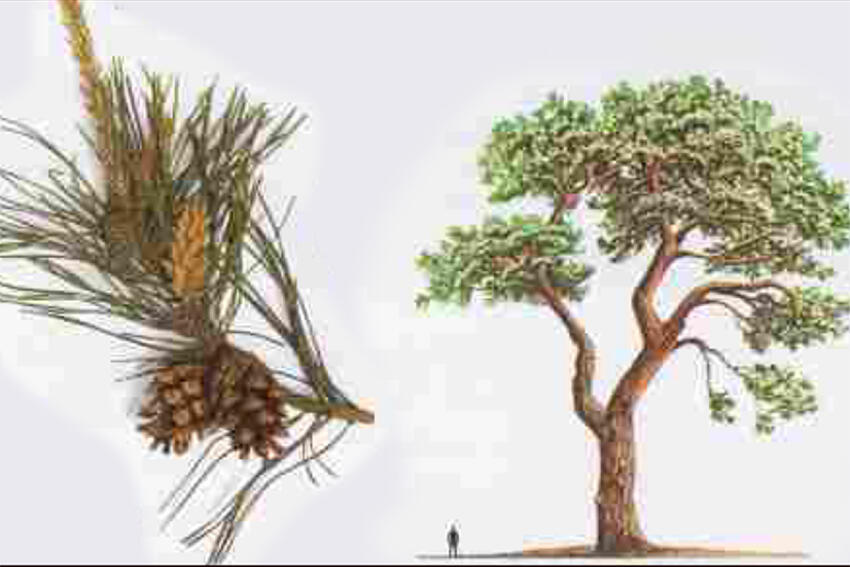
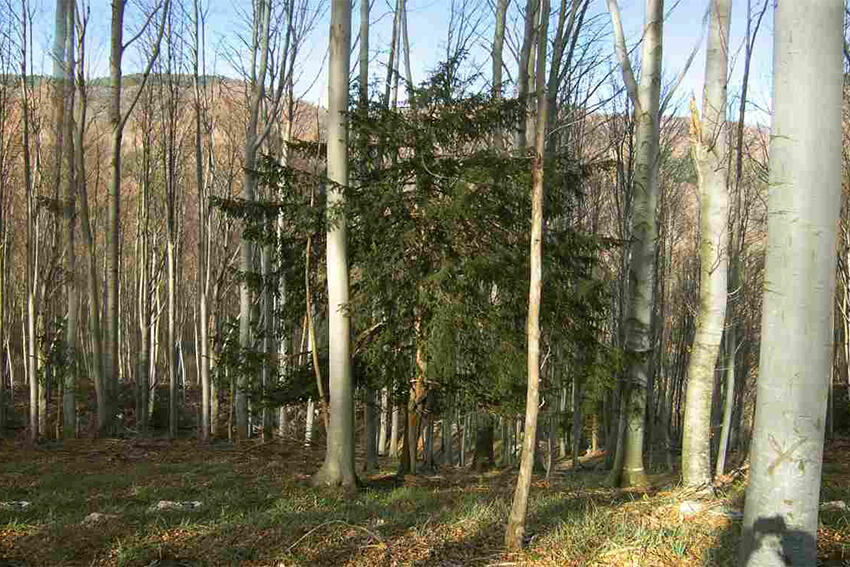
According to the beliefs of Southern Slavs, yew is a lucky tree and a symbol of eternal life. Namely, yew can reach a very old age, even over 1000 years.
All parts of the yew-tree (especially needles, and even the seeds) contain a poisonous alkaloid taxine. Only the pulpy shell on the fruit is not poisonous (arilus), therefore birds (thrushes in particular) like to eat its fruits. Birds are specifically adapted not to digest poisonous seeds.
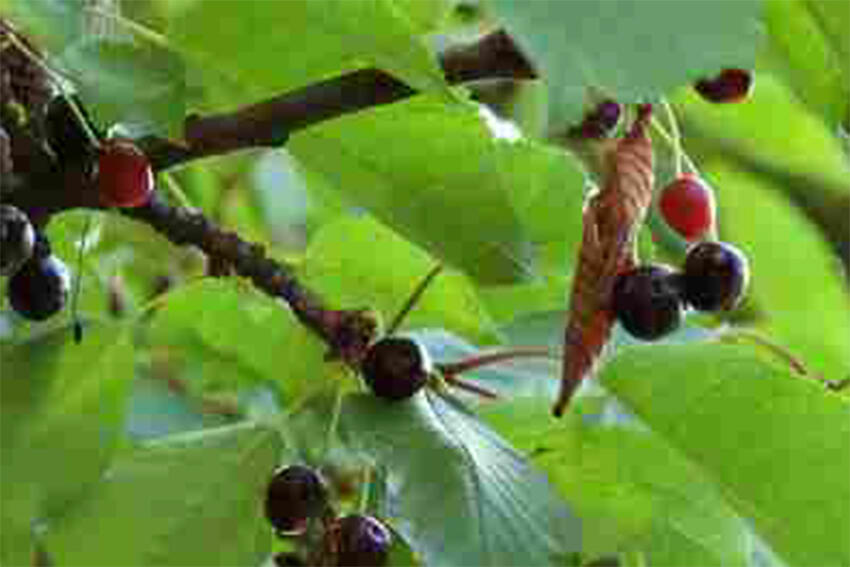
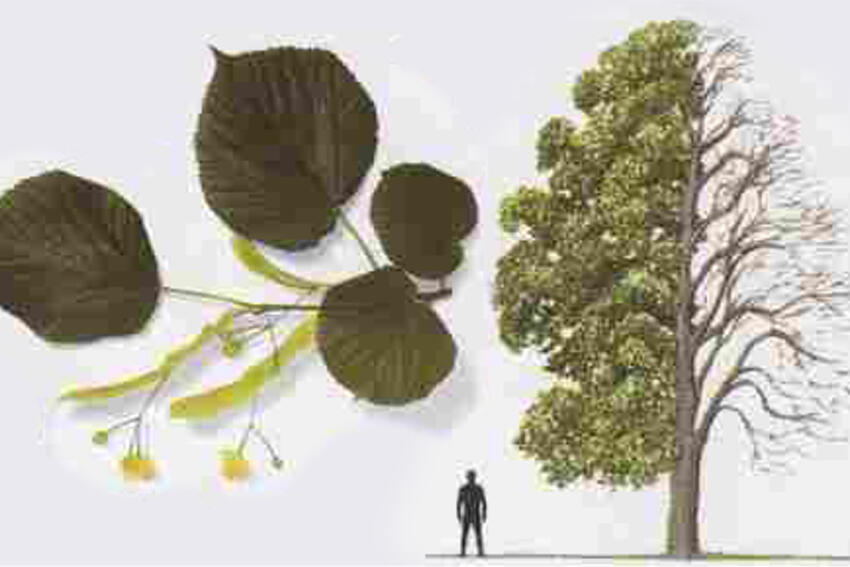
All lime species are known as honey-producing and medicinal species, and as exceptionally decorative park and avenue trees. Therefore, they have been cultivated since ancient times and expanded beyond their natural ranges. The lime trees are a symbol of the Slavic people, and used to be planted near churches and schools as a spatial landmark.
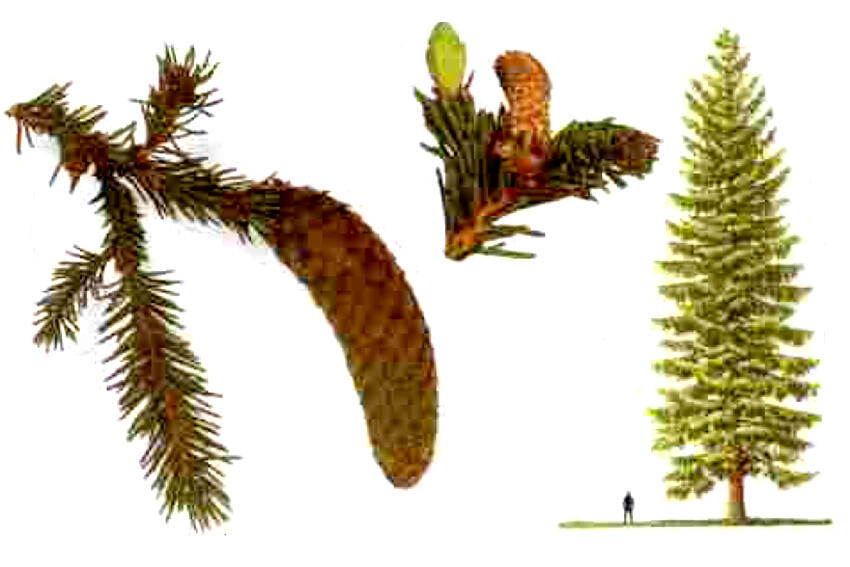
Stradivari's violins are made of spruce-wood with very narrow growth rings. Namely, because of its resonant characteristics, the spruce wood is used for building violins and stringed instruments.
The meaning of the word beech is connected to the usage of its bark as a writing tool (German Buche - Buch, English beech, boque - book). Namely, the first writings were written on the thin plates of beech wood.
MIXED FOREST
The forest is a biological community where woody species of trees and bushes prevail. They give the forest its fundamental characteristic and they also determine the species of other plants and animals that live here. A forest is considered to be a perfect ecological factory, but it is also an ideal habitat for rich plant and animal life. Forests vary according to the climate, soil type and relief.
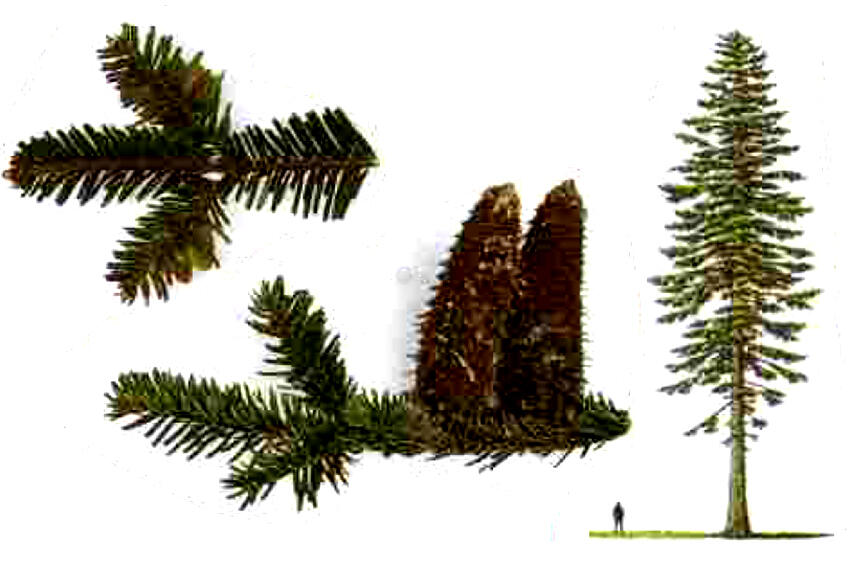
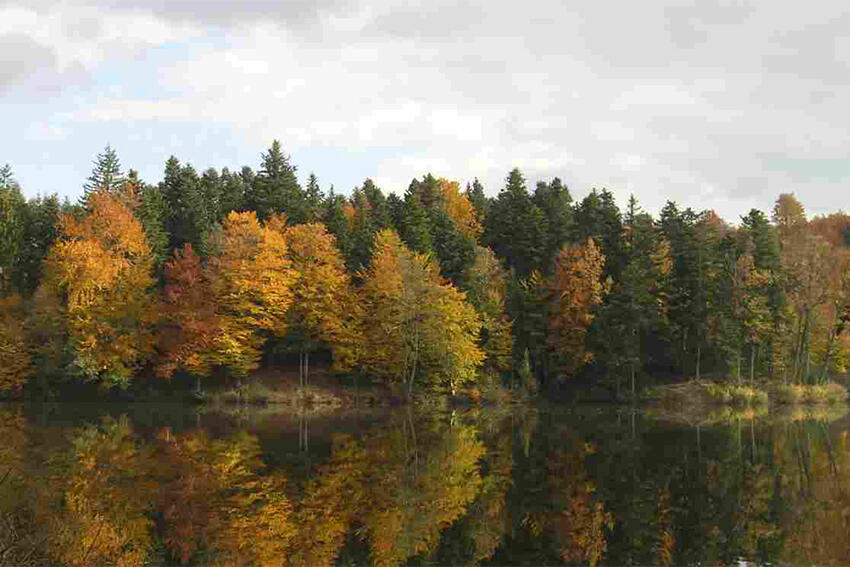
A large share of the continental section of the Earth belongs to the area of moderate climate, which means that in these areas it is neither too cold nor too hot, therefore there is enough humidity during the whole year. These conditions are suitable for the development of deciduous (broadleaf) forest, which is the most common forest in Europe. However, there are also forests where evergreen tree species and broadleaf trees grow side by side. These are usually species of the fir order (Abies order), spruce (Picea order) or pine (Pinus order). In some mixed forests, evergreen trees are even 'more important' than those of broadleaf.
Today, forests cover a third of the continental area of Croatia. Forests constitute the majority of vegetation cover in the Trakošćan Park Forest, and the dominant beech and fir forests are those which are mixed. There are also mixed lime (linden) and yew forests in the broad Trakošćan area. The forests of this area have been exposed to human influence for centuries, which had an impact on the change of habitat conditions and the disappearance of some plant species. Find out something about mixed forests and get to know the species that grow in them!
PANNONIAN BEECH-FIR FOREST WITH FESCUE GRASS
(As. Festuco drymeiae-Abietetum)
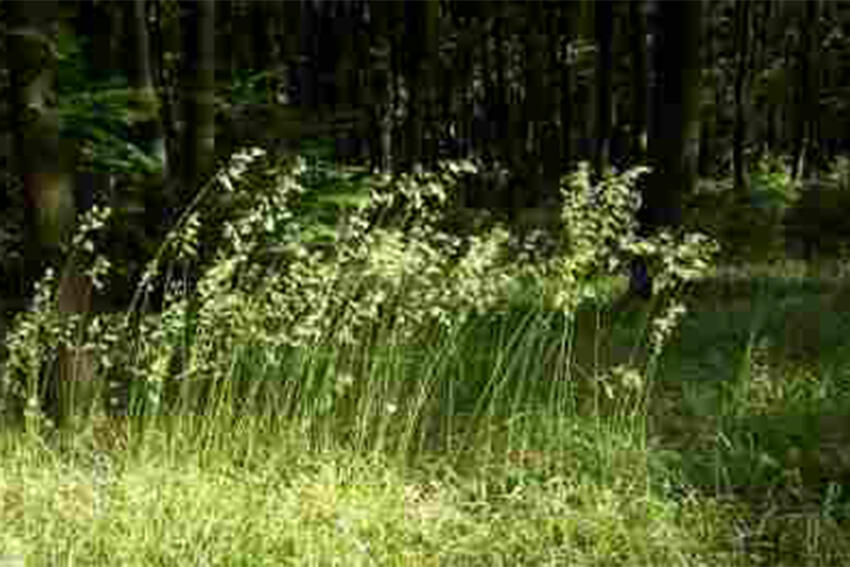
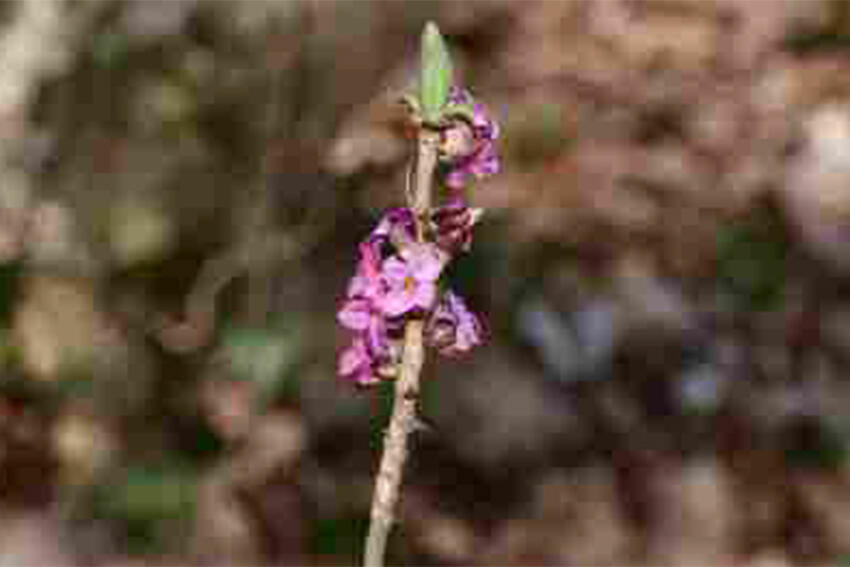
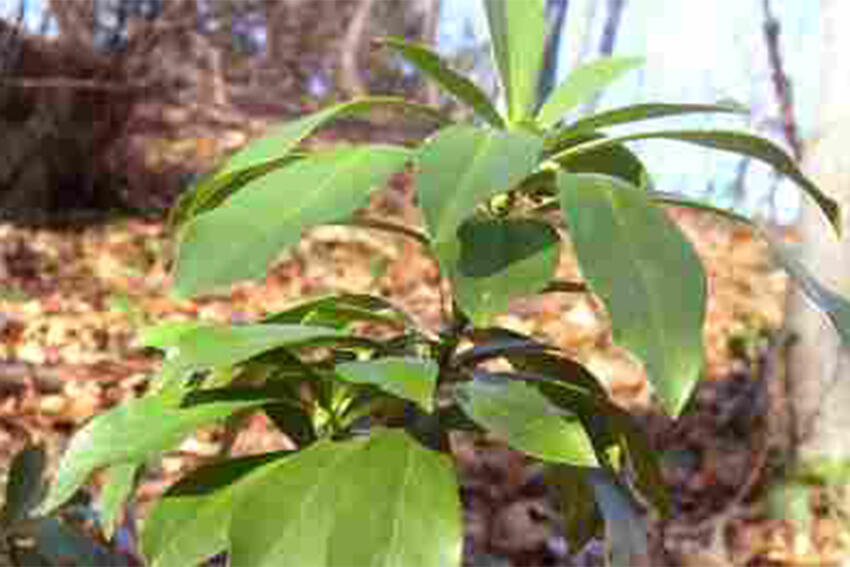
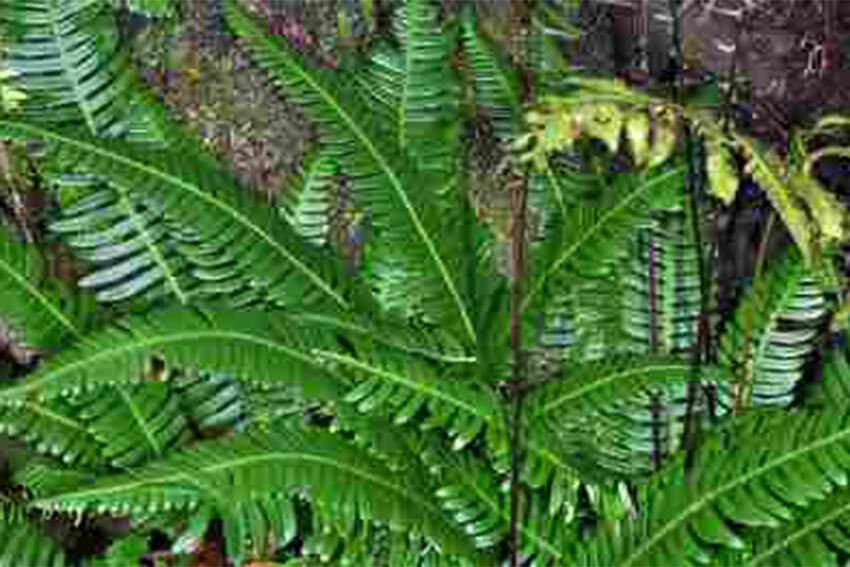
This forest community is separately spread over Macelj, Ravna gora, Ivanščica, Medvednica and Papuk. It grows at 200 to 1000 metre heights above sea-level. Here, beech and fir complement each other. The fallen beech leaves retain moisture – this favours the fir, and the fir provides necessary shade for a young beech. There are many plant species in the floristic composition. The dominant species consist of: Beech (Fagus sylvatica) and Fir (Abies alba); in the shrub layer: Spurge Laurel and Spurge Olive (Daphne laureola and D. mezereum); and in the ground layer: Fescue Grass (Festuca drymeja) and various ferns.
Fir grows on wet and cold soil, and it prefers moist and cold air. Special microclimate conditions in the Macelj area are favourable to fir, thus in the community with beech, it grows to its full strength and reaches full age and size like nowhere else at such a low height above sea level.
MIXED FOREST OF YEW AND LIME
(As. Tillio-Taxetum Glavač 1959)
It is a rare, relict forest community in Northwest Croatia. It grows on the belt of the Pannonian beech-fir forest and mountain fir forest, which are topographically and in synergy tied to the lime and yew community. We find it on Macelj in fragments on northern expositions, in the upper parts of steep hill-sides and on the cliffs on Lipni vrh, Hudla rupa and Štenžice.
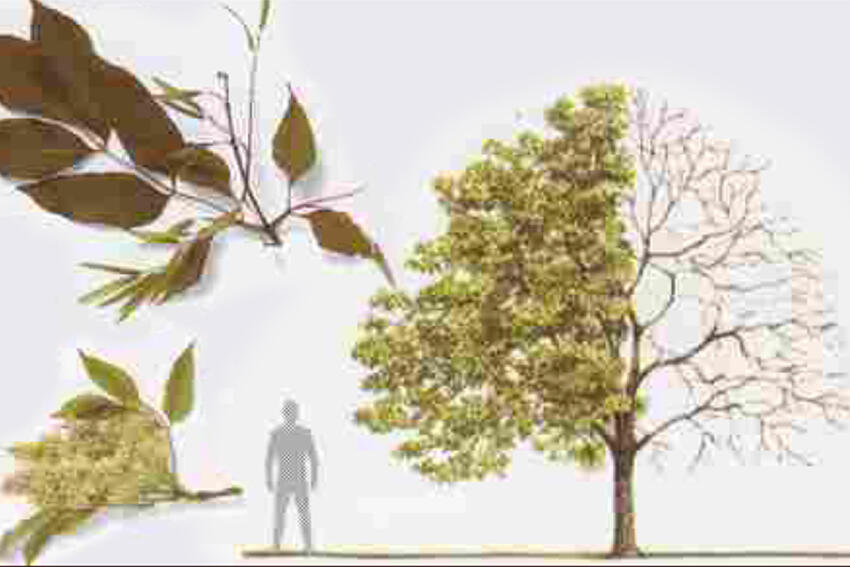
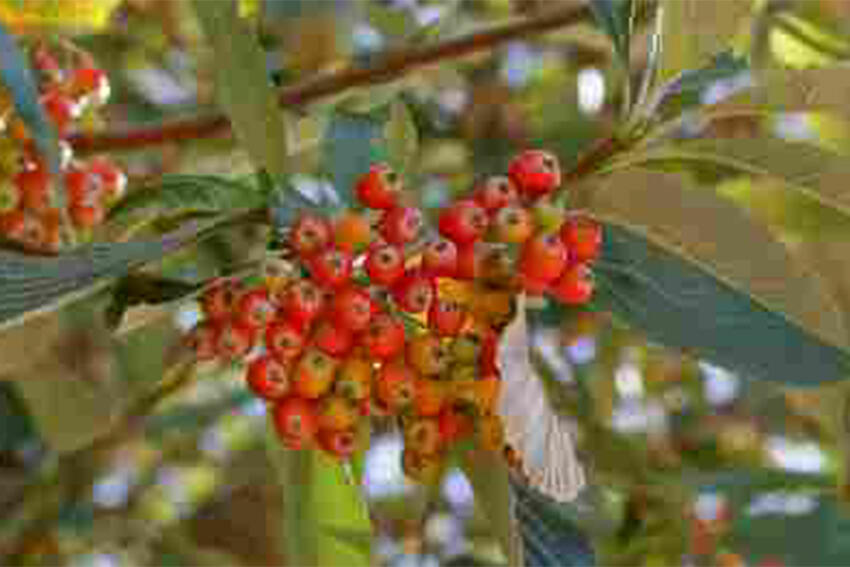
The following trees cohabit in the community: Beech (Fagus sylvatica), Whitebeam (Sorbus aria), Large-leaved Lime (Tilia platyphillos), Manna Ash (Fraxinus ornus), whereas Yew (Taxus baccata) exists only in preserved stands. Other localities should be protected in the strictest manner, because yew (and this community together with it) is gradually disappearing in many places.