Geology of the area
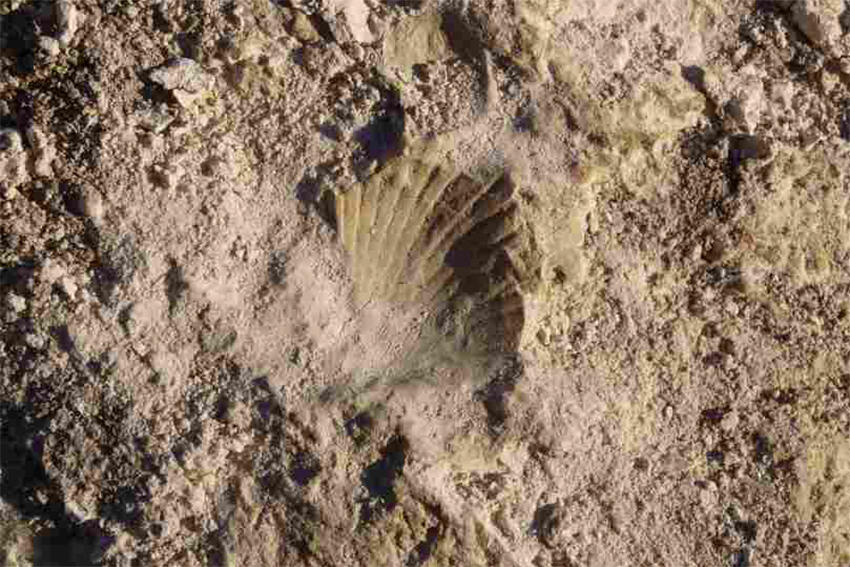
Did you know...
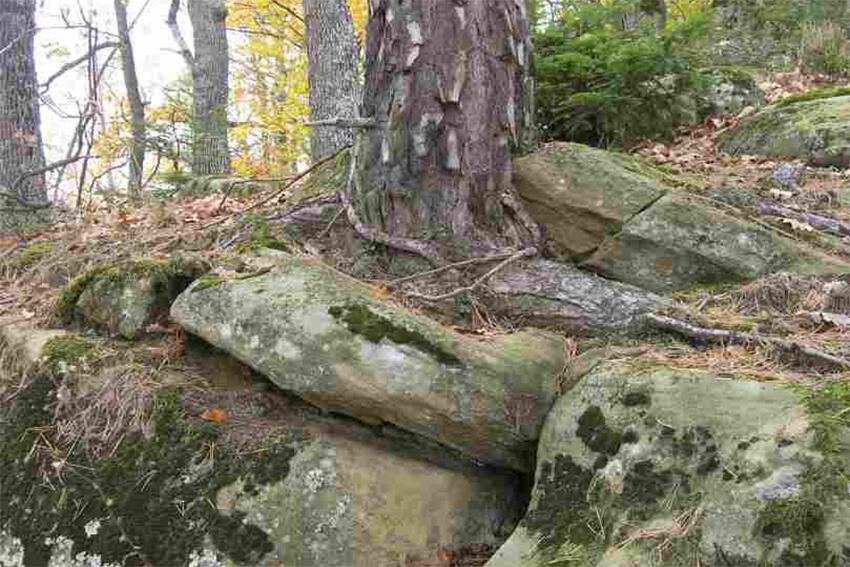
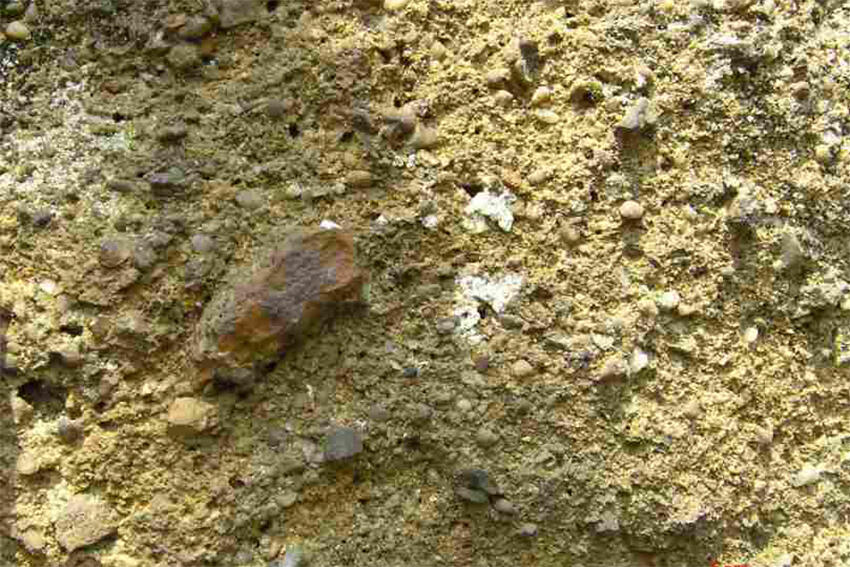
That sandstone is a sedimentary rock composed of interconnected sand-sized grains...
That erosion is weathering of rocks' surface...
That lithification is a process of sediments solidification by compaction (volume reduction with water displacement) and cementation (filling of pores and binding the spaces in deposits), and it is also a development of sedimentary rocks...
That sedimentary rocks are formed on land or in water as a result of sedimentation of material which is derived from mechanical or chemical erosion of surface of the Earth's crust, from sedimentation of organic detritus and crystallization from water solution...
That tectonics is a science of lithosphere texture; it studies and reconstructs spatial interaction between rocks...
That lithosphere is an outer mantle of the Earth, between 10 and 70 km thick...
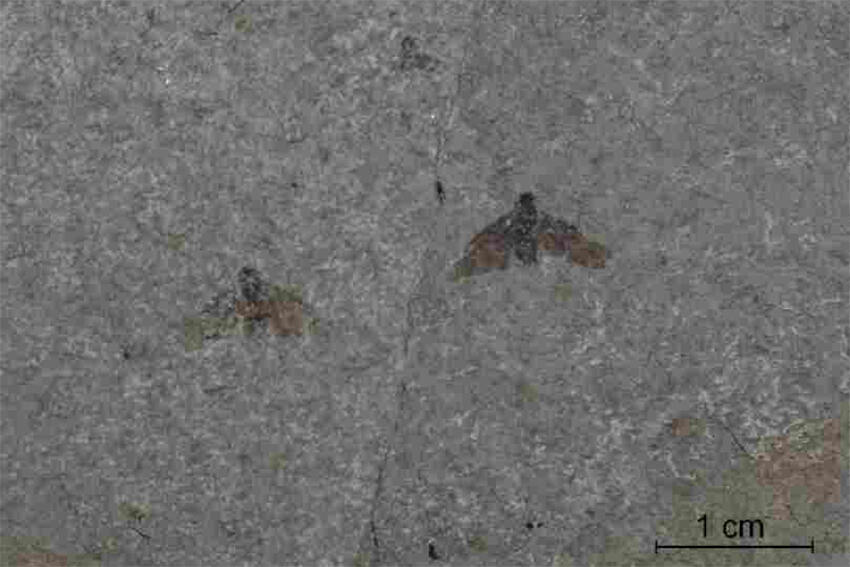
That foraminifers are tiny single-celled organisms, primarily marine, with a calcareous shell. Foraminifera fossils are often used to determine the age of rocks....
GEOLOGY OF THE AREA
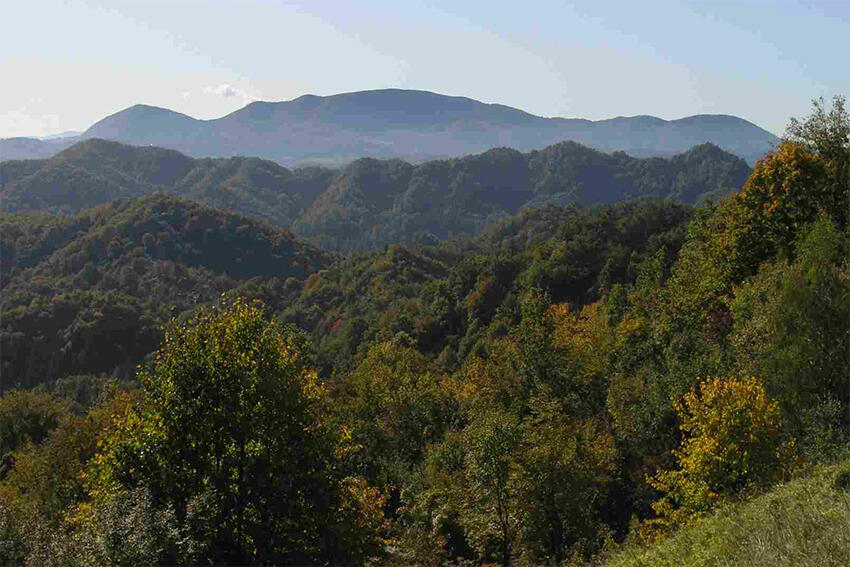
The area of Mount Macelj and Trakošćan is built of the so called 'Macelj sandstones'. They form a distinguished relief with prominent peaks and steep slopes, intersected very steep and narrow stream valleys. Their distinctive V-shape is a sign of young and fast tectonic uplift, and the stream's incission is faster than their lateral erosion.
„Macelj sandstones“ have sedimented in the Miocene sea, with a simultaneous explosive volcanic activity. Their age has been estimated at betwen 23 and 5.3 million years. Intense accumulation, mainly of sand, is the result of strong erosion of a prominent relief in the hinterland, material transport by rivers and other water flows, as well as the sedimentation in shallow sea environment separated from the open sea by a number of sand banks.