Life cycle of dragonflies
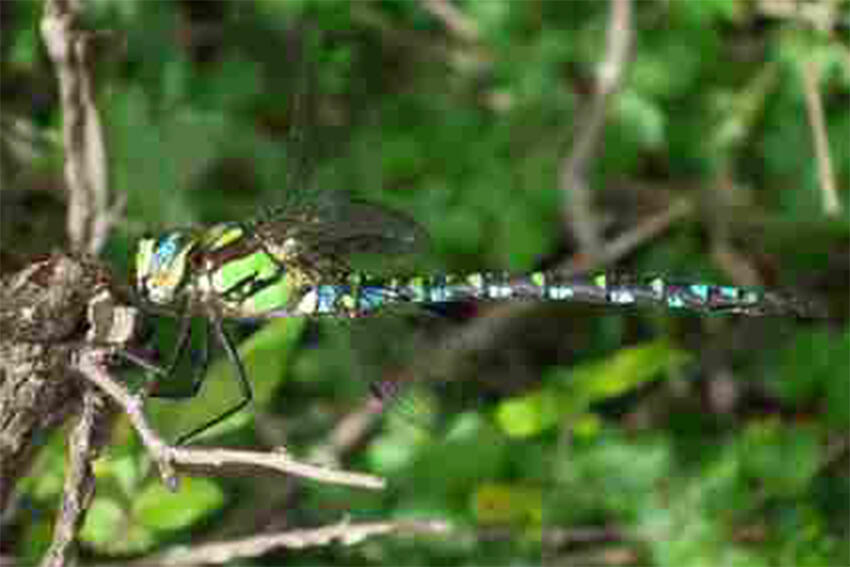
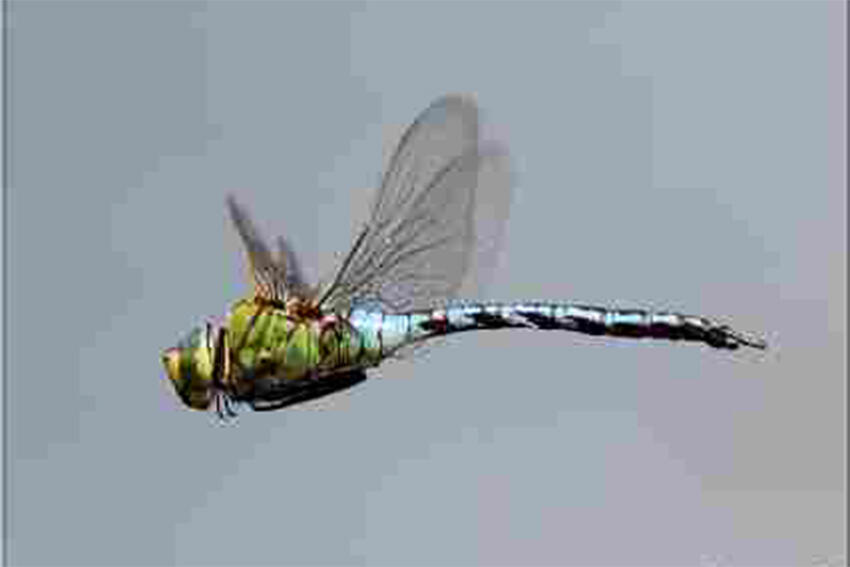
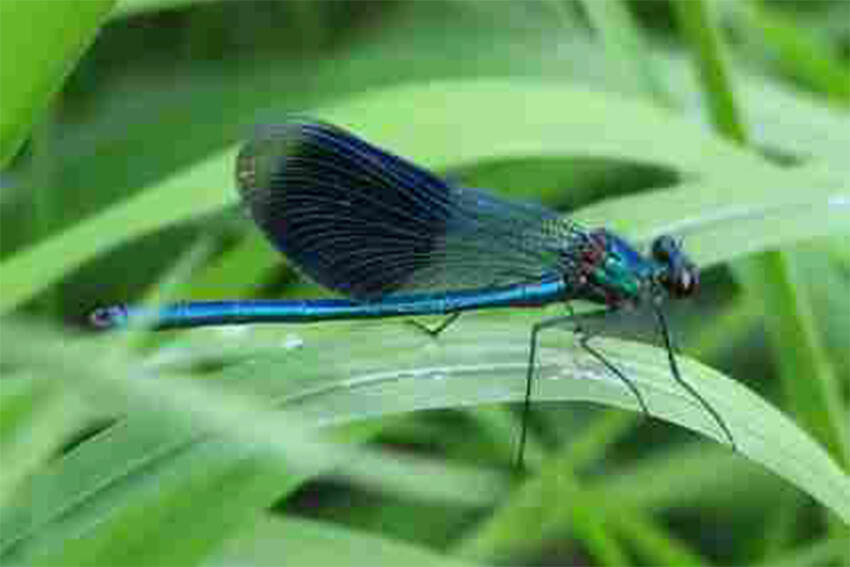
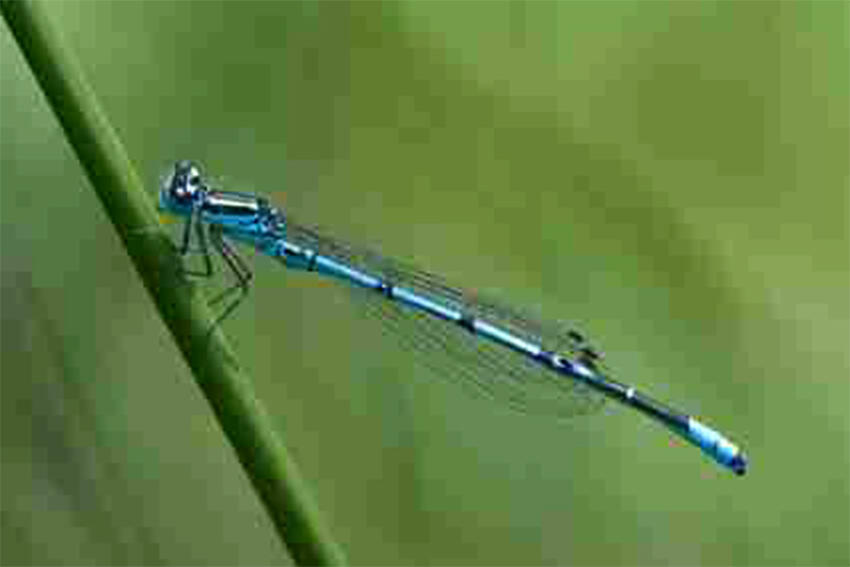
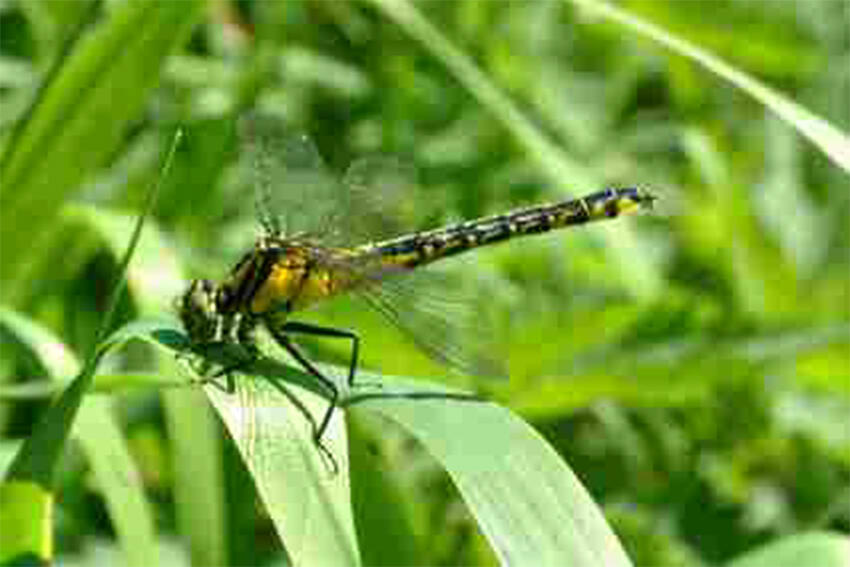
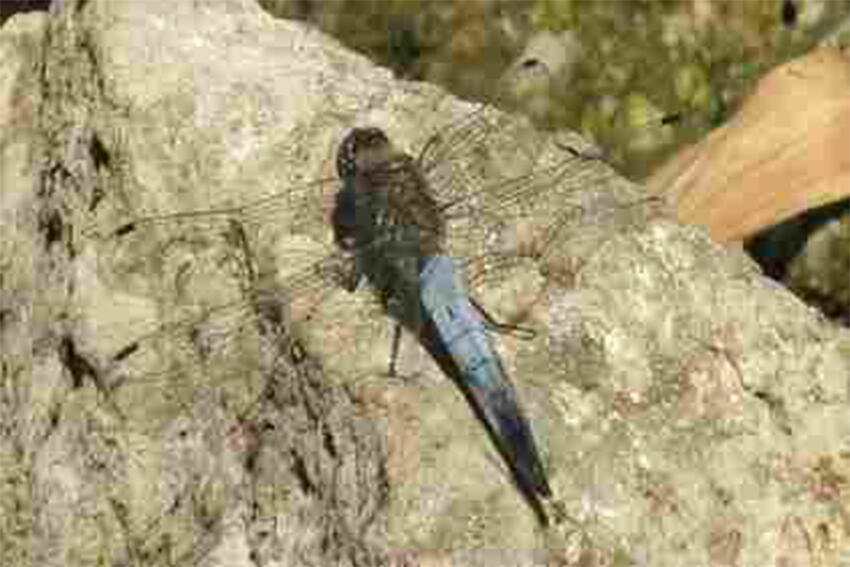
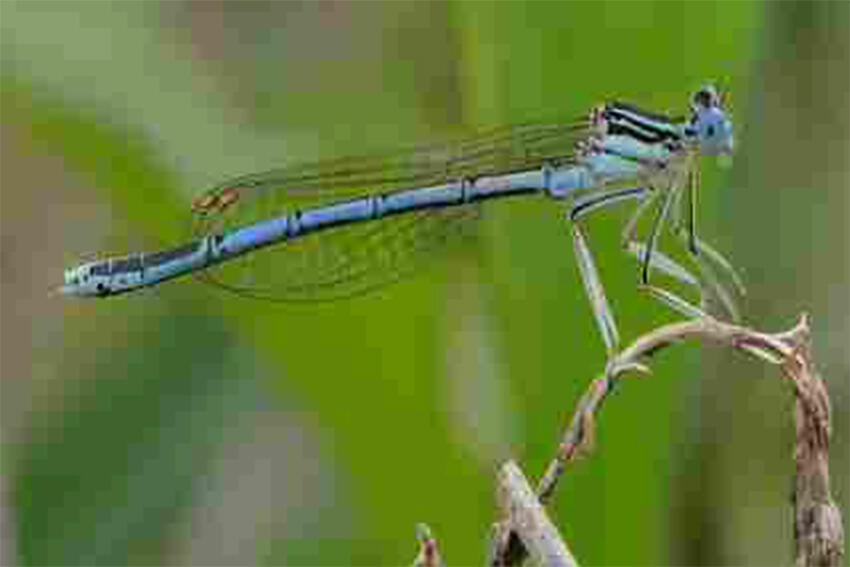
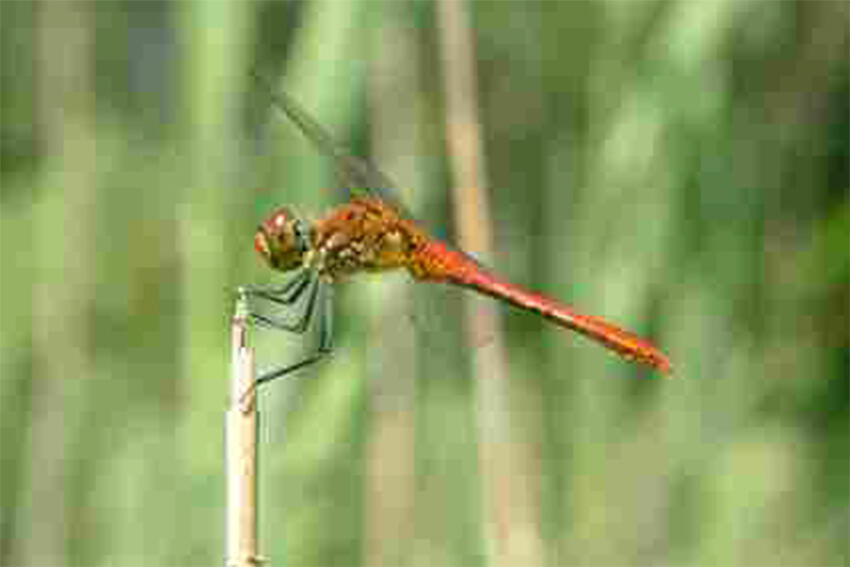
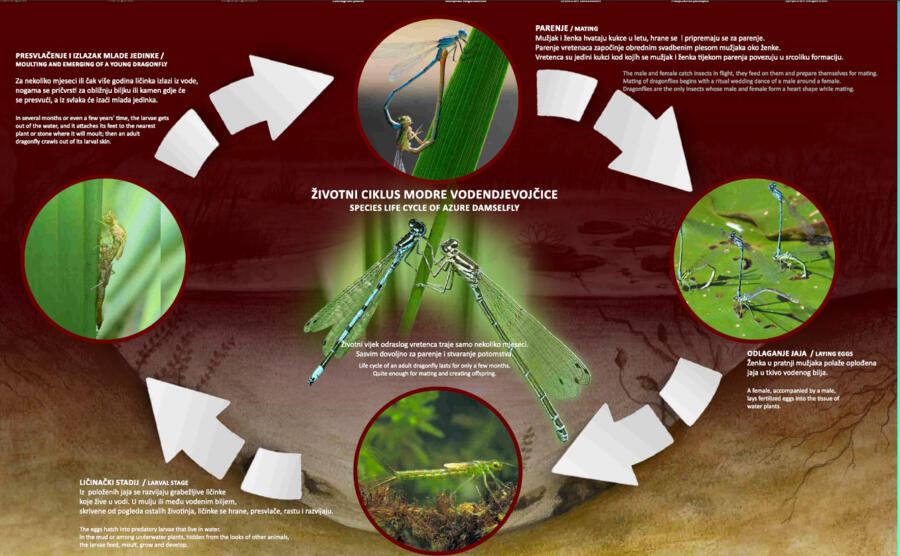
The life cycle of an adult dragonfly lasts for only a few months. Quite enough for mating and creating offspring.
Mating
The male and female catch insects in flight, they feed on them and prepare themselves for mating. Mating of dragonflies begins with a ritual wedding dance of a male around a female. Dragonflies are the only insects whose male and female form a heart shape while mating.
Laying Eggs
A female, accompanied by a male, lays fertilized eggs into the tissue of water plants.
Larval Stage
The eggs hatch into predatory larvae that live in water. In the mud or among underwater plants, hidden from the looks of other animals, the larvae feed, moult, grow and develop.
Moulting and Emerging of a Young Dragonfly
In several months or even a few years’ time, the larvae gets out of the water, and it attaches its feet to the nearest plant or stone where it will moult; then an adult dragonfly crawls out of its larval skin.
LIFE CYCLE OF DRAGONFLIES
Dragonflies (Odonata) belong to the animal species which is the largest in number - insects. Although it is hard to spot them, since they can reach speeds of up to 50km/h, if you take a closer look at the leaves of water plants, you will find them resting from a tiring flight, laying fertilized eggs in the water or moulting. They have vivacious colours, six legs, two pairs of wings and an interesting life-story, hence they stir up people's imagination giving them picturesque names. The Broad-bodied chaser and Horse killer - you've heard about these, haven't you?
The life cycle of a dragonfly is connected by the life in water and on land. Dragonflies are important because in food chains they maintain the balance in other organisms' communities, especially that of insects. Adult dragonflies are greedy predators and catch various insect species such as mosquitoes, horseflies, mayflies and butterflies. They have big eyes and a very mobile head, so they can look in all directions and notice their prey while flying at a distance of up to 40 metres, and they mostly devour the prey in flying. But, who eats dragonflies? Dragonfly larvae are food for fish and swamp birds, while adult dragonflies are food for birds, reptiles, spiders and many other animals.
More than 50% of Croatian dragonfly fauna is endangered, and cannot survive in the existing system unless they are protected and their water habitats get preserved. The main reasons for endangered state of water habitats are: backfilling or natural overgrowing, excessive exploiting of natural resources, pollution and introducing of foreign species. The same as with dragonflies, other organisms are also endangered since their life cycle is linked to water habitats.